What Does Ethical Tourism Really Mean?
Ethical tourism is more than a buzzword — it’s a commitment to traveling in a way that respects local communities, preserves cultural heritage, and protects the environment. In Bali, where tourism accounts for over 80% of the island’s economy, the way we travel has a profound impact on the lives of millions of people.
At its core, ethical tourism means making conscious decisions about where your money goes, who benefits from your visit, and what kind of footprint you leave behind. It’s the difference between being a consumer of culture and being a contributor to community wellbeing.
Why Bali Needs Ethical Tourism Now More Than Ever
Bali welcomed over 6 million international visitors in recent years, yet the economic benefits of this massive tourism industry rarely reach the rural communities that make the island so magical. Most tourism revenue stays within large hotel chains, tour operators, and commercial districts in South Bali.
Meanwhile, traditional artisans, farmers, and cultural practitioners in villages across the island struggle to sustain their livelihoods and preserve centuries-old traditions. The Subak irrigation system, Balinese temple ceremonies, traditional weaving, and organic farming practices are all at risk as younger generations migrate to tourist areas for employment.
The Environmental Challenge
Mass tourism has also brought significant environmental challenges to Bali. From waste management crises to coral reef degradation, the island’s natural ecosystem is under pressure. Ethical tourism addresses these challenges by promoting sustainable practices and supporting conservation initiatives led by local communities.
Five Principles of Ethical Travel in Bali
1. Support Local Economies Directly
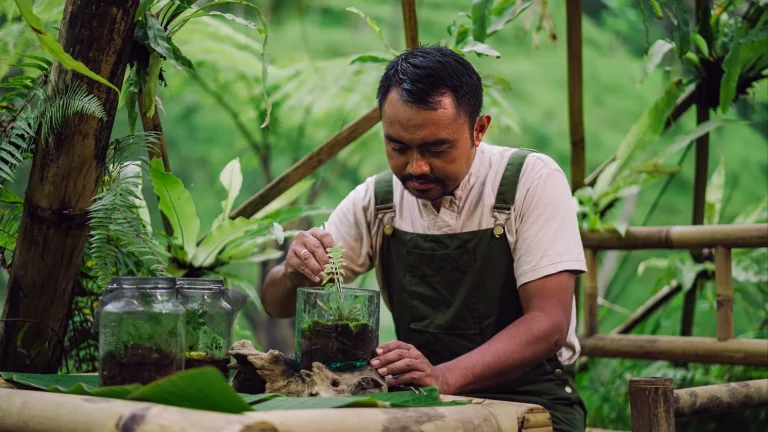
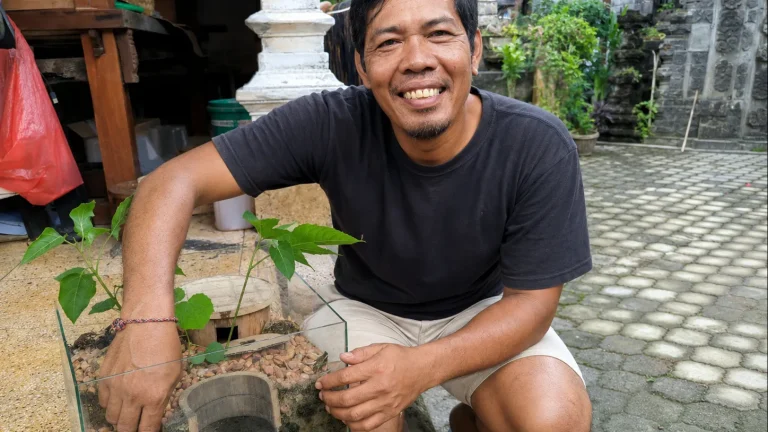
Choose experiences that put money directly into the hands of local communities. When you visit a curated cultural experience led by local artisans or farmers, your participation fee goes directly to the family or village — not to a middleman or offshore tour company.
2. Respect Cultural Boundaries
Balinese culture is deeply spiritual and community-oriented. Ethical travelers take time to learn about local customs, dress appropriately for temple visits, and ask permission before photographing people or ceremonies. Understanding the significance of offerings (canang sari), temple etiquette, and community protocols shows genuine respect.
3. Minimize Environmental Impact
Carry a reusable water bottle, avoid single-use plastics, and support businesses that prioritize waste reduction. When snorkeling or diving, use reef-safe sunscreen. Choose accommodations and experiences that demonstrate genuine environmental commitment, not just greenwashing.
4. Engage Meaningfully, Not Transactionally
The most rewarding travel experiences happen when there’s genuine human connection. Instead of rushing through a checklist of Instagram spots, slow down. Sit with a local farmer over coffee, learn a few words of Bahasa Indonesia, and ask questions about daily life. These moments of authentic connection are what you’ll remember years from now.
5. Choose Quality Over Quantity
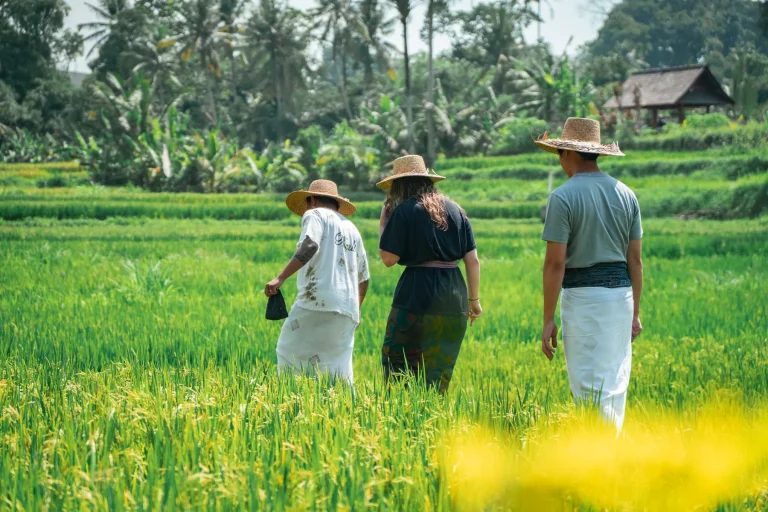
Rather than cramming your itinerary with dozens of quick stops, invest your time in fewer, deeper experiences. A full day spent with a salt farmer on the coast of East Bali will teach you more about Balinese resilience and ingenuity than a week of standard tourist activities.
How to Identify Genuinely Ethical Experiences
Not every experience that markets itself as “sustainable” or “eco-friendly” truly is. Here are some signs that an experience is genuinely ethical:
- Local leadership: The experience is designed and led by community members, not by outside companies exploiting local culture.
- Fair compensation: Local hosts receive fair payment for their time, knowledge, and hospitality.
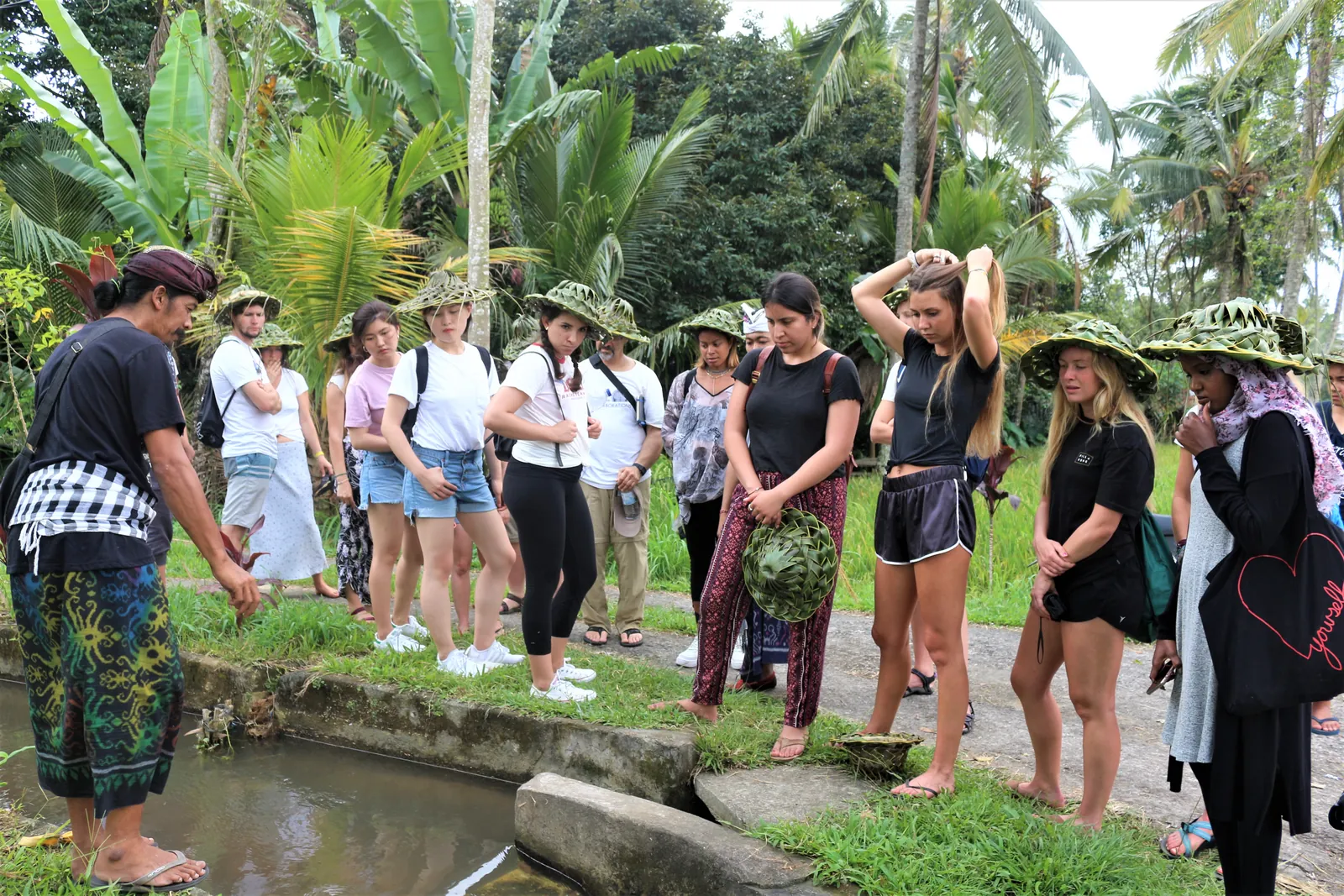
- Small group sizes: Limiting group sizes ensures meaningful interaction and reduces impact on the community.
- Cultural authenticity: The experience shares genuine practices and stories, not performances staged for tourists.
- Community benefit: Revenue supports broader community needs like education, healthcare, or cultural preservation.
Making Ethical Choices as a Traveler
Every traveler has the power to make a difference. By choosing ethical experiences, supporting local businesses, and traveling with intention, you become part of the solution rather than part of the problem.
At Five Pillar Experiences, we believe that the best journeys are those that benefit everyone involved — the traveler, the community, and the environment. Our experiences are built on five pillars: Education, Culture, Community, Environment, and Local Economy.
“Tourism should not be about taking from a place, but about giving back to it. When done right, travel becomes a force for good — preserving traditions, empowering communities, and connecting people across cultures.”
Start Your Ethical Journey
Ready to experience Bali in a way that matters? Explore our curated experiences that connect you with local artisans, farmers, and community leaders across the island. Every journey is designed to create genuine impact while giving you unforgettable memories.
Have questions about planning an ethical trip to Bali? Get in touch with our team — we’re always happy to help you design a purposeful itinerary.