

"Bali is a beautiful island with a deeply spiritual culture, but rapid development and mass tourism have brought significant challenges. Ethical tourism is the antidote. It ensures that your visit benefits the local people, preserves ancient traditions, and protects the environment."
What Does "Ethical Tourism" Actually Mean in Bali?
Ethical tourism, also known as sustainable or responsible travel, is about making choices that minimize your negative impact and maximize your positive contribution to the destination you are visiting. In Bali, this means moving away from heavily commercialized attractions and instead choosing to support local artisans, family-owned businesses, and community-based initiatives. True ethical tourism requires cultural immersion and a deep understanding of authentic Balinese culture and traditions.
The Impact of Mass Tourism (And Why Bali Needs a Change)
For decades, Bali has been marketed primarily as a cheap beach destination. This has led to overcrowded zones, plastic pollution, and cultural homogenization. Many local Balinese people who work in the tourism industry see very little of the economic benefits generated by large, foreign-owned resorts and tour operators.
When travelers choose ethical tourism, they help shift the economic balance back to the villages, ensuring that tourism dollars directly support education, healthcare, and infrastructure within local communities.
Community-Based Tourism: Empowering Villages
At Five Pillar Experiences, our core philosophy is rooted in Community-Based Tourism (CBT). This approach places the community at the center of the travel experience. Travelers don't just observe; they participate alongside local residents in a respectful and mutually beneficial way.
Instead of large tour buses, CBT involves small, intimate groups. You might visit a traditional weaving village, or learn about ancient agricultural practices directly from a local farmer. Our Heroes Journey programs take this approach even further, offering structured learning experiences for students and universities.
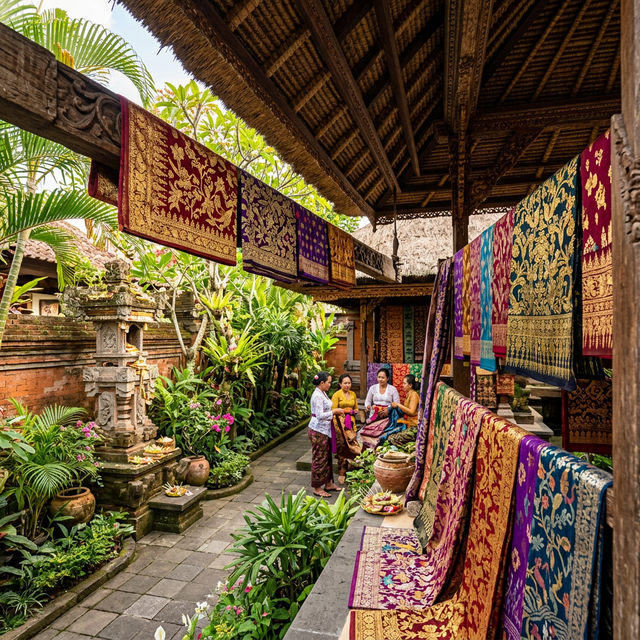
Threads of Tradition: Village Weaving
Support artisan weavers directly and learn the ancestral techniques of natural dying and intricate pattern creation.
Explore ExperienceHow We Partner with Local Heroes
We collaborate directly with Local Heroes—passionate individuals preserving their cultural heritage. From offering-makers to temple priests, these individuals are the true guides of Bali. By booking through our cooperative, you are directly paying these heroes for their profound knowledge and hospitality.
Environmental Conservation and Sustainable Practices
Ethical tourism is also environmental tourism. Bali's fragile ecosystems, from its coral reefs to its intricate Subak irrigation systems, require protection. Responsible operators enforce strict zero-waste policies and educate travelers on minimizing their footprint.
Protecting Bali's Fragile Ecosystems
We encourage travelers to participate in active conservation efforts. Joining our Coral Conservation experience not only educates visitors but actively restores damaged reef systems, creating a lasting positive impact long after the journey ends.
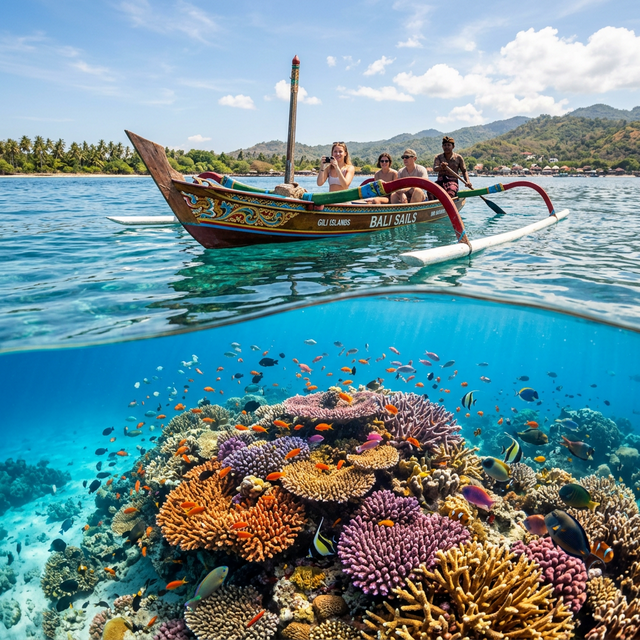
Coral Conservation in West Bali
Dive into marine protection and help rebuild local reef structures alongside dedicated marine biologists and local fishermen.
Plant a CoralHow You Can Be a Responsible Traveler in Bali
Dress Modestly
Always wear a sarong and sash when entering temples or sacred spaces.
Mind Your Waste
Refuse single-use plastics. Bring a refillable water bottle.
Support Local
Buy souvenirs directly from the artisans rather than from large, mass-produced tourist traps.
Ask Before Photographing
Always seek permission before taking close-up photos of locals, especially during ceremonies.
Learn Basic Basa Bali
A simple Suksma (Thank you) goes a long way in showing respect.
Ready to Form a Meaningful Connection?
Discover our collection of curated, ethical journeys designed to show you the real Bali while uplifting local communities.
Explore Ethical Experiences