The Rise of Community-Based Tourism
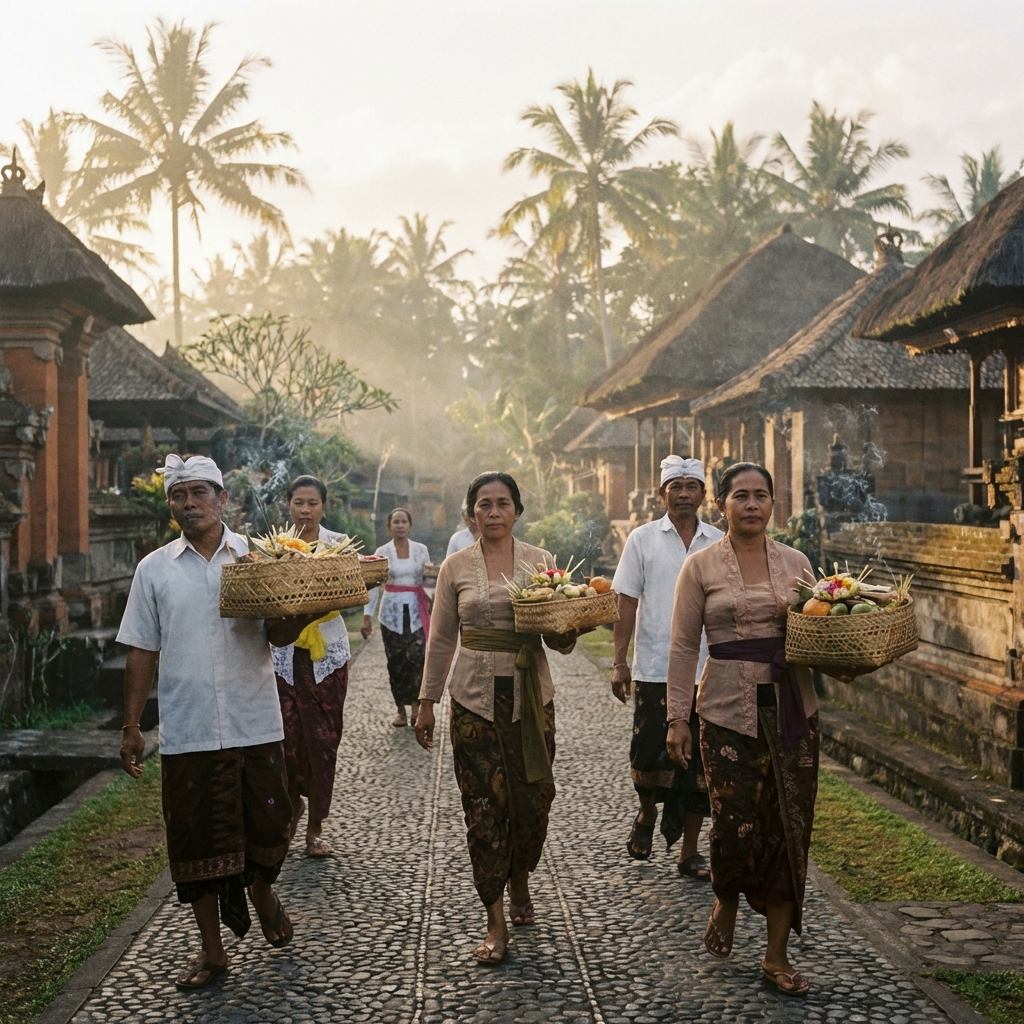
Community-based tourism (CBT) is a model that puts local people at the center of the tourism equation. Instead of communities serving as backdrops for tourist activities, they become the hosts, guides, storytellers, and primary beneficiaries of every visiting traveler.
In Bali, where tourism has traditionally been dominated by large corporations and international chains, community-based tourism represents a powerful shift toward equity, sustainability, and cultural preservation. It’s not just a nicer way to travel — it’s a necessary evolution of the industry.
Who Are Bali’s Local Heroes?
At Five Pillar Experiences, we call the community members who host our journeys “Local Heroes.” These are people whose daily work preserves traditions, protects ecosystems, or strengthens their communities. They’re not tourism professionals — they’re artisans, farmers, conservationists, and teachers who open their doors to mindful travelers.
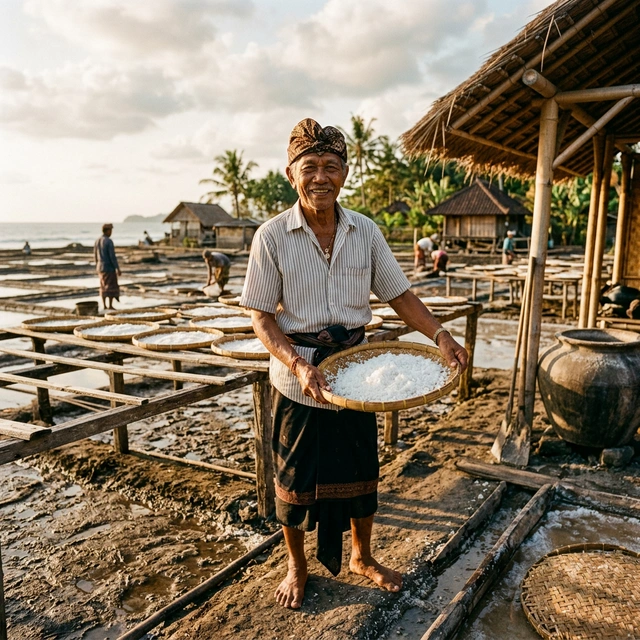
Pak Ketut: The Salt Farmer of Amed
In the coastal village of Amed in East Bali, Pak Ketut continues a salt harvesting tradition that dates back hundreds of years. Using handcrafted wooden troughs and the power of sun and wind, he transforms seawater into mineral-rich salt crystals through a process that takes days of patient labor.
When travelers visit Pak Ketut, they don’t just watch — they participate. Rolling up their sleeves, they learn the techniques, hear the stories, and understand why this traditional method produces salt that’s valued by chefs around the world. Most importantly, their visit provides income that keeps this heritage alive.
Pak Wayan: The Organic Farmer
In the highlands of Tabanan, Pak Wayan manages a family farm that has been chemical-free for three generations. His practice of permaculture and traditional Balinese agricultural knowledge creates an incredibly productive ecosystem where rice, vegetables, fruits, and medicinal herbs grow in symbiotic abundance.
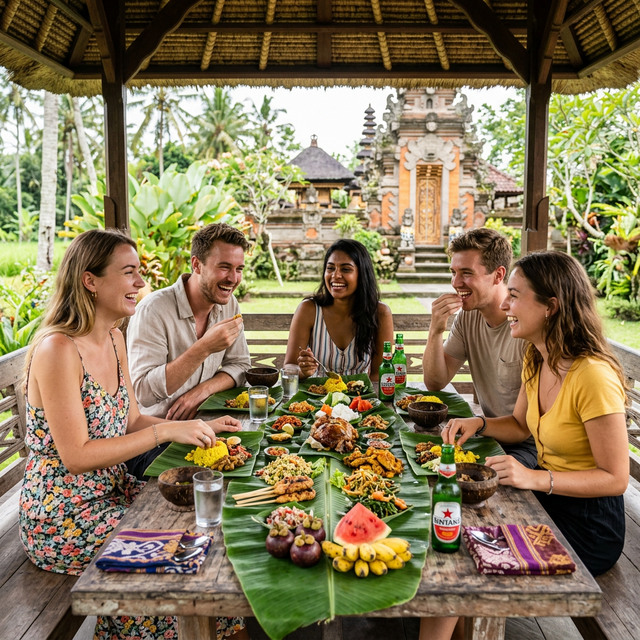
Visitors to Pak Wayan’s farm don’t just tour the fields — they plant seeds, harvest crops, and share a meal prepared entirely from ingredients grown on site. The experience demonstrates that traditional farming methods aren’t primitive relics but sophisticated systems of sustainable production that modern agriculture could learn from.
Ni Luh: The Weaving Preservationist
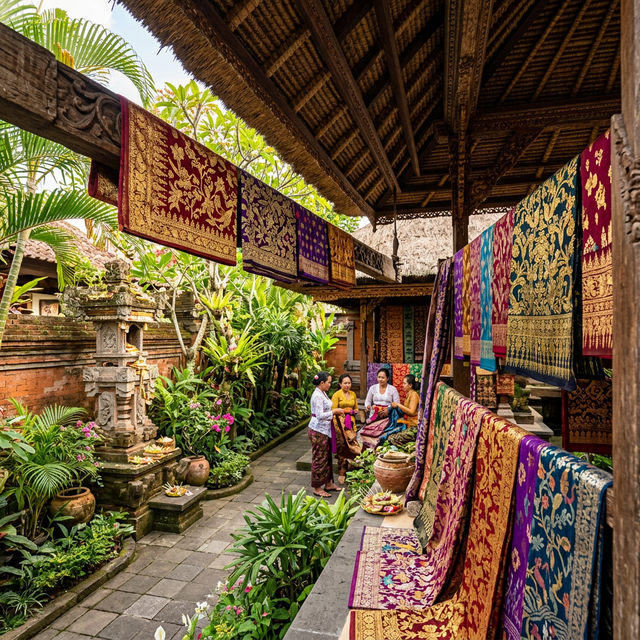
In a small workshop in Gianyar, Ni Luh teaches the art of traditional Balinese weaving to both travelers and local young people. Her mission is dual: generating income through cultural tourism while ensuring that the intricate patterns and techniques of Balinese textiles don’t disappear as older weavers pass on.
Each textile pattern tells a story about the region, the family, or the ceremony it was designed for. Through Ni Luh’s teaching, visitors discover how a simple loom can be a vessel for centuries of cultural knowledge.
How Community Tourism Creates Real Impact
Direct Economic Benefits
In conventional tourism, studies show that as little as 5-10% of tourist spending reaches local communities. With community-based tourism, this figure can reach 60-80% because there are no intermediary corporations taking large cuts. Every rupiah spent on a Local Hero experience goes directly to the host family and their community.
Cultural Preservation
When traditional skills become economically viable through tourism, younger generations have a reason to learn them. Community tourism creates a market for heritage crafts, farming practices, and cultural knowledge that would otherwise be lost to modernization. It transforms cultural preservation from a nostalgic ideal into a practical economic strategy.
Community Empowerment
Being a tourism host gives community members agency and pride. They’re not passive recipients of tourist attention — they’re active curators of their own cultural narrative. This empowerment extends beyond tourism: Local Heroes often become community leaders, mentors, and advocates for broader social and environmental causes.
Environmental Stewardship
Communities that benefit from nature-based tourism become the strongest advocates for environmental protection. When a coral reef or a mangrove forest has direct economic value through responsible tourism, communities have powerful incentives to protect these ecosystems from development and degradation.
What Makes Community Tourism Different from “Village Tours”
It’s important to distinguish genuine community-based tourism from the “village tours” offered by many conventional operators. Here’s how they differ:
- Ownership: In CBT, the community decides what to share, how to share it, and what to charge. Village tours are designed and priced by outside operators.
- Depth: CBT experiences typically last several hours to a full day, allowing genuine connection. Village tours often rush through in 30-45 minutes.
- Revenue distribution: CBT revenue goes primarily to the host community. Village tour revenue goes primarily to the tour operator.
- Authenticity: CBT shows real daily life and practices. Village tours often feature staged performances or artificially arranged scenes.
- Relationship: CBT creates ongoing partnerships between travelers and communities. Village tours create one-time transactions.
The Traveler’s Role in Community Tourism
As a traveler participating in community-based tourism, you’re not just a visitor — you’re a partner in preservation. Your presence validates the community’s decision to share their culture. Your payment supports their livelihoods. Your attention honors their work.
This doesn’t mean you need to be solemn or overly careful. Balinese communities are warm, welcoming, and often hilariously funny. They want you to enjoy yourself, ask questions, try new things, and share your own stories. The best community tourism experiences feel like visiting friends, not attending a museum.
“Every time a traveler sits in my kitchen and learns to make jamu, I feel that my grandmother’s knowledge is valued. This is not just about tourism — it’s about keeping our traditions alive for the next generation.”
How to Get Started
If you’re drawn to the idea of community-based tourism in Bali, here’s how to begin:
- Research operators carefully: Look for organizations like Five Pillar Experiences that are founded on community partnership principles.
- Allow enough time: Cultural immersion can’t be rushed. Plan for full-day or multi-day experiences rather than quick pit stops.
- Come with curiosity: The best travelers are those who ask genuine questions and listen more than they talk.
- Share your experience: Tell others about your Local Hero encounters. Word-of-mouth is the most powerful marketing for community tourism.
Ready to meet Bali’s Local Heroes? Browse our experiences or reach out to us to design a journey that creates real impact for you and the communities you visit.