Bali’s dry season gets sold as one long stretch of blue sky from April to October. In practice it behaves more like seven different months that happen to share a weather pattern. April can still end with a heavy shower at four in the afternoon. A July dawn on the rim of the Batur caldera calls for a fleece and long trousers. And in August the south is so busy that a short drive can eat most of a morning.
None of that is a reason to stay away. It’s a reason to match the month to the place. Here is how the dry season usually plays out, month by month, and which two-day trips fit each part of it.
How the dry season usually behaves
Roughly speaking, the rains ease through March and April, the island is at its driest from June to September, and showers start creeping back during October. The highlands (Kintamani, Munduk, Bedugul, Jatiluwih) are cooler and cloudier than the coast all year, and their mornings are almost always clearer than their afternoons.
A few things hold true in every dry-season month:
- Rain is less likely, not impossible. A light rain jacket earns its place in your bag.
- Highland mornings are cold. Anywhere up in the hills, bring a warm layer for dawn.
- The midday sun is strong everywhere. Plan walks and viewpoints for the morning.
- Ceremonies happen all year. The Balinese ritual calendar runs on its own cycles rather than the seasons, so you may come across a temple festival in any month.
April: green terraces and the tail of the rains
April is the hinge month. The rice is usually green, rivers and waterfalls still carry plenty of water, and the big crowds haven’t arrived. The trade-off is weather that can turn by mid-afternoon, so do your outdoor things early.
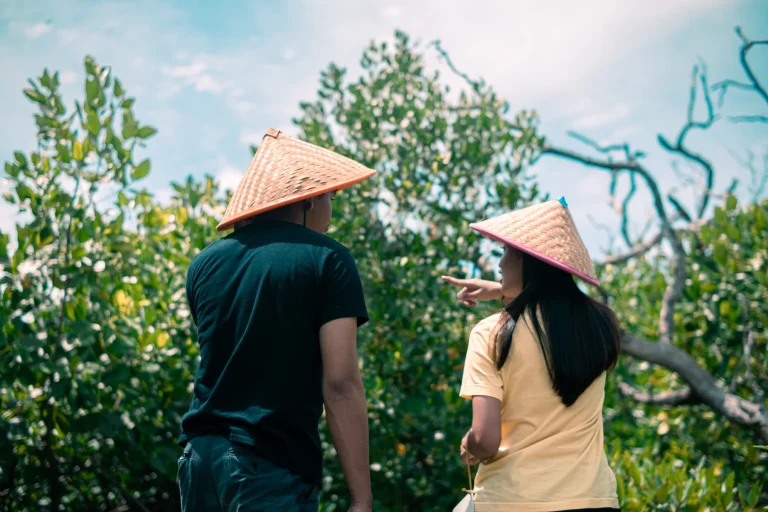
It’s a good month for Jatiluwih, where staying the night means you walk the UNESCO-listed subak terraces the next morning before the day-trippers arrive. The same trip visits a farmer who protects owls as natural pest control, and includes a melukat, a Balinese water purification, at Pura Taman Sudamala.
May: the quiet sweet spot
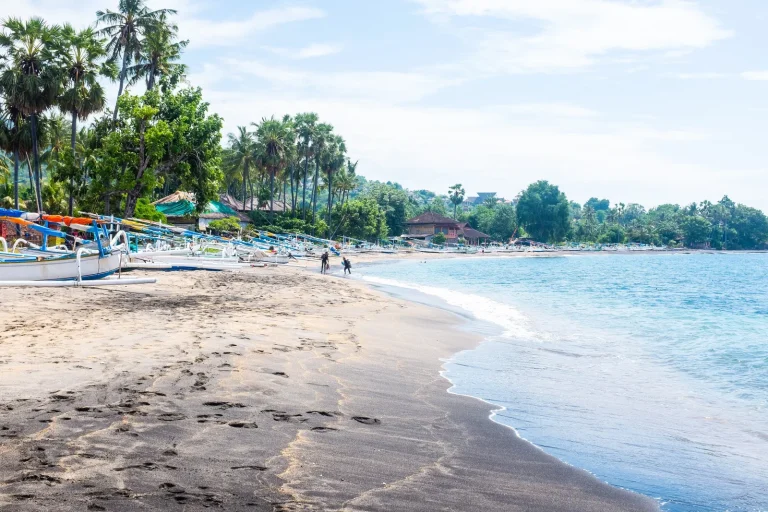
If you can pick only one month, May has a strong case. Most days are dry, the countryside is still green from the wet season, and both prices and crowds sit well below the July peak. On the north coast, the sea is often flat early in the morning.
That makes May a good time for Lovina. The journey starts with a waterfall trek in the hills, takes you out on the water early the next morning to look for dolphins, and finishes in Singaraja at the old royal court, Puri Singaraja. Sightings are usual but never guaranteed, and calm water helps.
June: Galungan, festivals and the start of the rush
June 2026 has two big dates. Galungan falls on 17 June and Kuningan on 27 June. Around Galungan, tall bamboo penjor arch over village streets across the island, families head to temple in their best clothes, and many Balinese go home to their family villages. It’s a lovely time to be here, with one practical catch: some small businesses close for a day or two, and roads near temples get busy in the mornings.
Mid-June is also when the Bali Arts Festival usually opens in Denpasar, typically running until mid-July, and Indonesian school holidays usually begin in the last week of June. Check the official schedules closer to your trip. Our guide to Galungan and Kuningan 2026 covers what you’ll see on the days themselves.
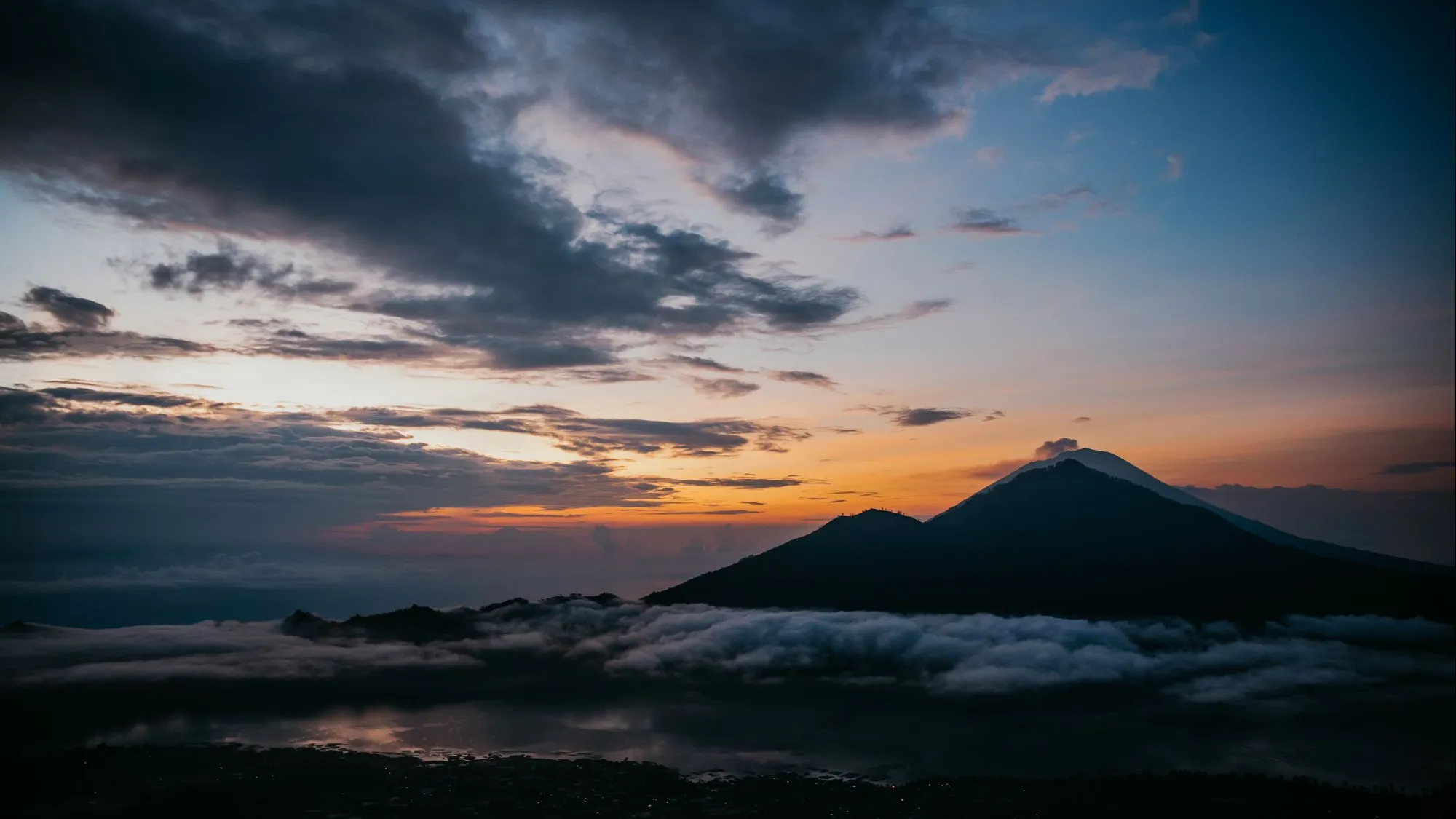
Up in the highlands, June mornings are usually clear, which is exactly what you want for Kintamani. That journey puts you in a tent by Lake Batur for the night, then takes a 4×4 up in the dark to watch the sun rise over the caldera, followed by a soak in the hot springs.
July and August: peak season, cold dawns and kites
These are the busiest months of the year. Flights and hotels cost more, the famous viewpoints have queues, and traffic around Canggu, Seminyak and Ubud can crawl for much of the day. European summer holidays and Australian winter school holidays overlap with the Indonesian break, so book anything you care about early. Online booking for Five Pillar journeys needs at least three days’ notice; in these two months, a few weeks is wiser.
They’re also the coolest months. At the sunrise points above Batur, dawn can feel properly cold, and you’ll see locals in jackets and woolly hats. Bring long trousers and a fleece if you’re going up.
The sky has its own season. Kite season usually runs through July and August, when teams from local banjar fly huge traditional kites over the fields and beaches around Sanur, with competitions on many weekends; dates change every year. Then 17 August is Independence Day, with red-and-white flags along the roads and games in village streets.
Where to go when the south is full
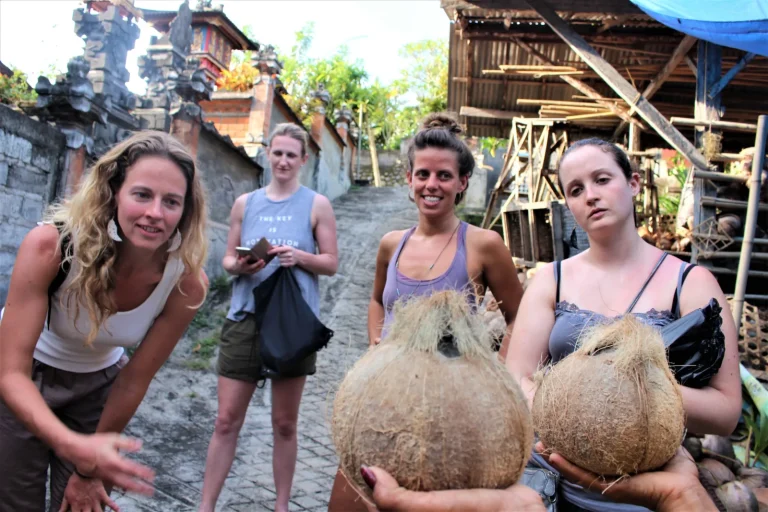
This is when leaving the south pays off most. The north is calmer and far less crowded. Munduk, high in the hills above the north coast, is cool and green, with a coffee plantation walk and cupping on day one and a trek through clove groves to waterfalls on day two. Lovina works well in these months too.
If Nusa Penida is on your list, go knowing that Kelingking will be busy. The Nusa Penida journey spends day one at the Goa Giri Putri cave temple and with the weavers of Tanglad, and saves the west-coast cliffs for day two, after a night on the island. Crossings from Sanur can get bumpy when the mid-year trade winds blow hard, and the water around the island is often noticeably colder in these months.

September and October: the shoulder months
September: dry weather, thinner crowds
Once August ends, the crowds thin quickly, but the weather usually stays dry for most of the month. You get August’s sunshine with noticeably more room on the paths and at the viewpoints.
It’s the month for the places that suffer most from crowds. Nusa Penida’s west coast and the Jatiluwih terraces both feel different with fewer people around, and the north coast is usually still calm enough for easy snorkeling.
October: the last clear mornings
October is a transition month again. The first half usually behaves like September. By the end, afternoon storms are more common, the air feels heavier, and the highlands spend more time in cloud. Mornings remain the time for views.
It’s a good last chance for a Batur sunrise before the wet season brings more cloud, and a fine month for Munduk, where the plantation walk happens in the cool of the afternoon and the waterfalls may start to pick up again after the first rains.
Matching the month to the trip
- Green rice, few people: April or May, at Jatiluwih or Munduk.
- Flat water and dolphins: May to September, at Lovina.
- Festivals: June for Galungan, Kuningan and the Arts Festival; July and August for kites and 17 August.
- A clear sunrise: June to September at Kintamani, with a warm layer.
- Nusa Penida with more space: May, June or September.
- Avoiding crowds altogether: skip late June to the end of August, or head north.
Every one of these trips is private and runs for two days and one night, with a guide, transport and the meals listed on each journey included, and a hotel room you can add when you book. Pickup is from hotels in Ubud, Sanur, Seminyak, Canggu, Nusa Dua or Denpasar (the Nusa Penida trip starts at Toyapakeh Harbour instead). You can pay online by bank transfer or card, or send a request and pay later. Pick the month first, then the place, and the rest is one booking.