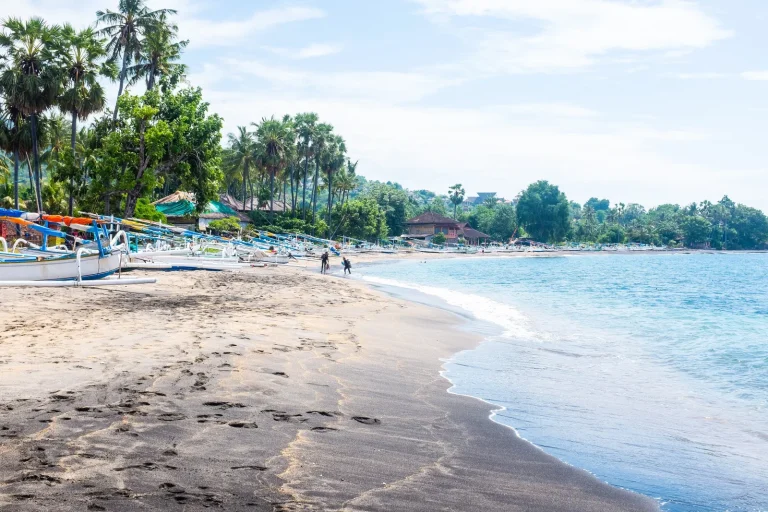
The dolphin boats leave Lovina’s beach around dawn, and you won’t be alone out there. A small fleet of wooden outriggers heads out at the same time, spreads across the bay, and converges whenever someone spots a fin. At its worst it feels like a race. At its best, on a flat morning with the light coming up pink over the water, it’s one of the loveliest hours you’ll spend in Bali.
That’s Lovina in short: one famous activity, and a lot more going on around it that most visitors skip. Here’s how to do the dolphins well, and what else deserves your time on this stretch of the north coast.
Getting there, and why one night helps
Lovina is a string of beach villages just west of Singaraja on Bali’s north coast. From the south the drive takes roughly three hours, sometimes more depending on traffic, and usually crosses the mountains through the lake country around Bedugul. That’s a long day trip if you also want to be on a boat at dawn, which is the main argument for staying at least one night.
The north is also a different Bali: drier, with black-sand beaches, fewer villas and a slower pace. Evenings are quiet. If you’re coming from Canggu, that’s either exactly what you wanted or a mild shock, so decide in advance which you’re hoping for.
The dolphins: how to set your expectations
Boats usually leave around six in the morning and stay out for a couple of hours. Dolphins are seen off this coast regularly, so sightings are usual, but they’re never guaranteed, and some mornings bring a few distant fins rather than a big pod. A few habits make the trip better:
- Hope for a calm morning. Flat water makes the dolphins easier to see and the ride more comfortable.
- Bring a hat, sunscreen and a light layer. It’s cool before sunrise and hot within an hour.
- Ask your boatman to keep a respectful distance rather than chase. The better crews hang back and let the dolphins come closer on their own terms.
- Keep your phone in a dry bag. The boats are small and spray is normal.
- If you’re prone to seasickness, take something beforehand, just in case.
Is it ethical?
These are wild dolphins in open water, which puts Lovina’s boats in a very different category from the captive dolphin attractions found elsewhere in Bali, which are best avoided. The concern here is pressure from boats: too many engines crowding a pod for too long. You can’t control the whole fleet, but you can ask your own boat to keep its distance, cut the engine when dolphins come close, and head back when the pod moves off.
On the Lovina journey, the boat trip is on the morning of day two, followed by breakfast and some time on the beach before you freshen up and check out.
Waterfalls in the hills
The hills behind Lovina and Singaraja are full of waterfalls, fed by the rain that falls on the mountains to the south. Gitgit, on the road down from Bedugul, and Aling-Aling near Sambangan are two of the best known, and there are many smaller falls reached by farm paths and steps.
The Lovina journey begins in this landscape, with a nature trek that stops at waterfalls along the way, followed by a local lunch before you check in. Wear shoes with real grip. Paths can be steep and slippery, especially after rain, and there are often stairs cut into the slope.
Singaraja: Bali’s old capital
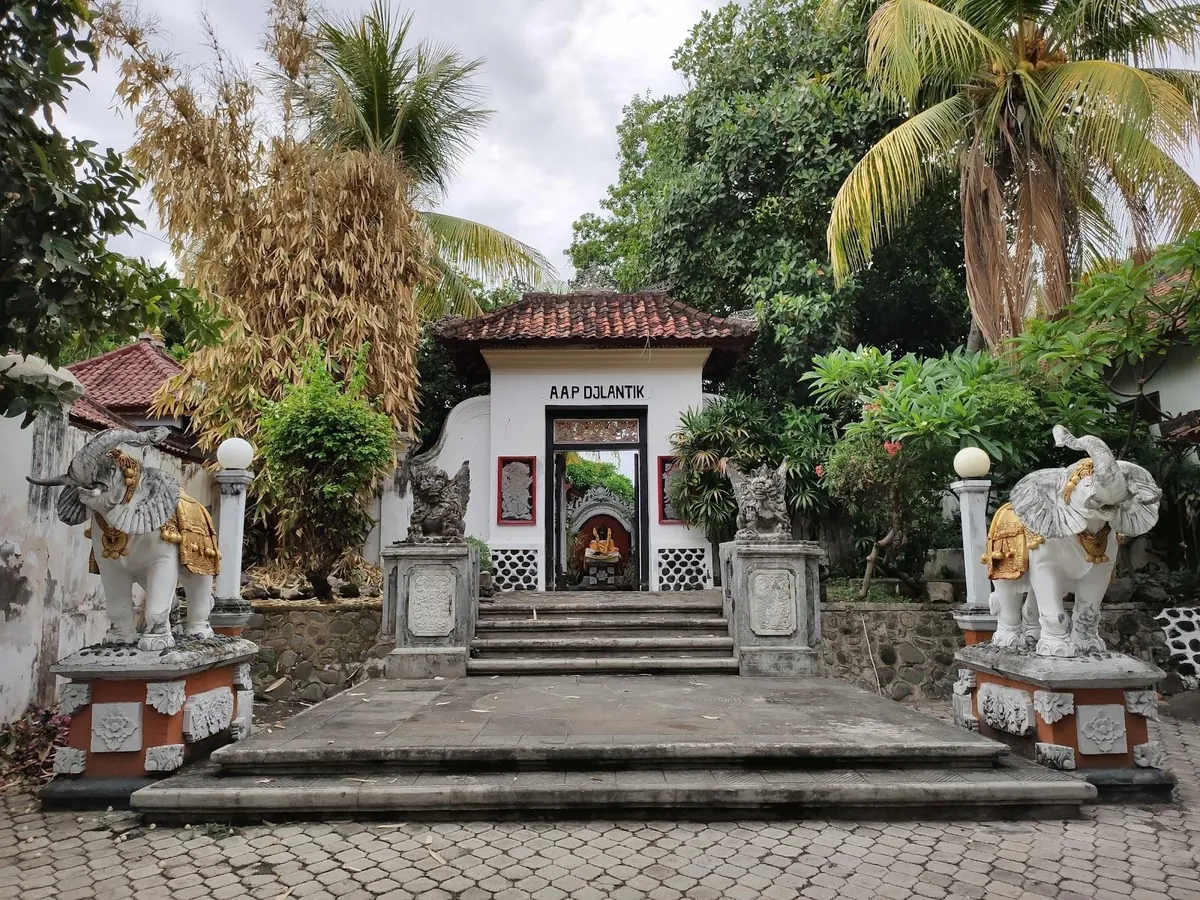
Singaraja, a short drive east of Lovina, was where the Dutch took control of Bali’s north in 1849, and it served as the island’s capital through the colonial period and for more than a decade after independence, until the seat of government moved to Denpasar in the late 1950s. For a long time most travelers reached Bali by ship through its harbor, and the town still shows it: broad streets, old shophouses, a Chinese temple near the waterfront, and a royal house that has watched the whole story.
The Lovina journey ends here, with a local lunch and a visit to Puri Singaraja, the old royal court, where you hear the history of Bali’s former capital. If you have extra time of your own, a few more stops are worth adding:
- The old Buleleng harbor, with its waterfront monument, the Chinese temple and a few surviving warehouses.
- Gedong Kirtya, a library of palm-leaf manuscripts founded in the 1920s. If you’re curious about how those manuscripts are made and read, see our piece on lontar in Bali.
- The Banjar hot springs, west of Lovina, with warm pools fed through carved stone spouts.
- Brahmavihara-Arama, a Buddhist monastery in the hills above Banjar, with a calm terraced compound and views down to the sea.
Eating and evenings in Lovina
Dinner isn’t included on the Lovina journey, and that’s easy here: the beach road in the main village has plenty of casual places, from grilled fish to Indonesian staples and Western comfort food. Most visitors eat early and turn in early, because of the dawn boat.
The journey’s two lunches cover the rest (breakfast comes with the hotel room if you add one), and your guide is happy to point you toward a good dinner spot. It’s also one of the more family-friendly journeys: a waterfall walk, a boat ride and a palace are an easy sell to most children.
Where to go next on the north coast
Two days in Lovina fits neatly into a longer run along the north coast, with a journey on either side of it.
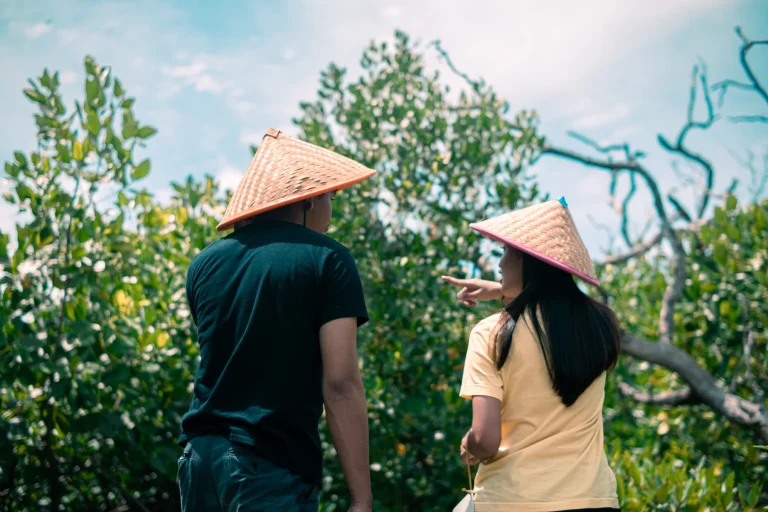
West of Lovina, Pemuteran is a quiet bay known for its community-led reef restoration. Its journey spends day one on land, with Pura Melanting, grape picking in a coastal vineyard and traditional salt-making, and day two on the water, learning how the Biorock project works, snorkeling over the reef and visiting the mangroves.
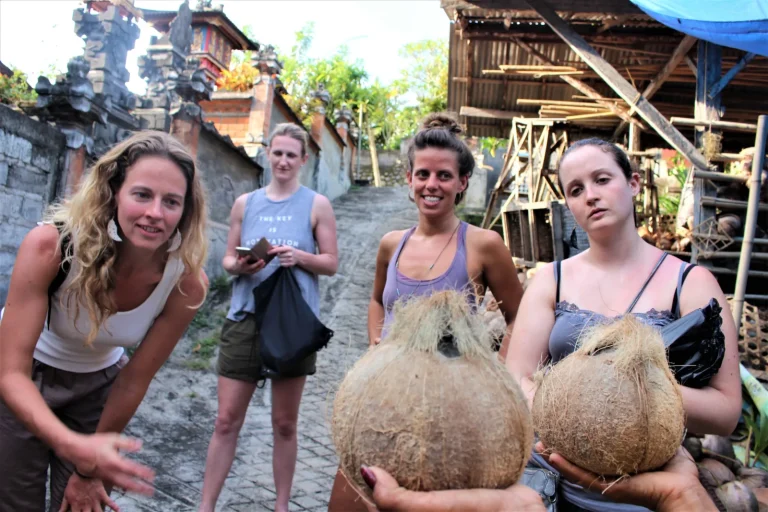
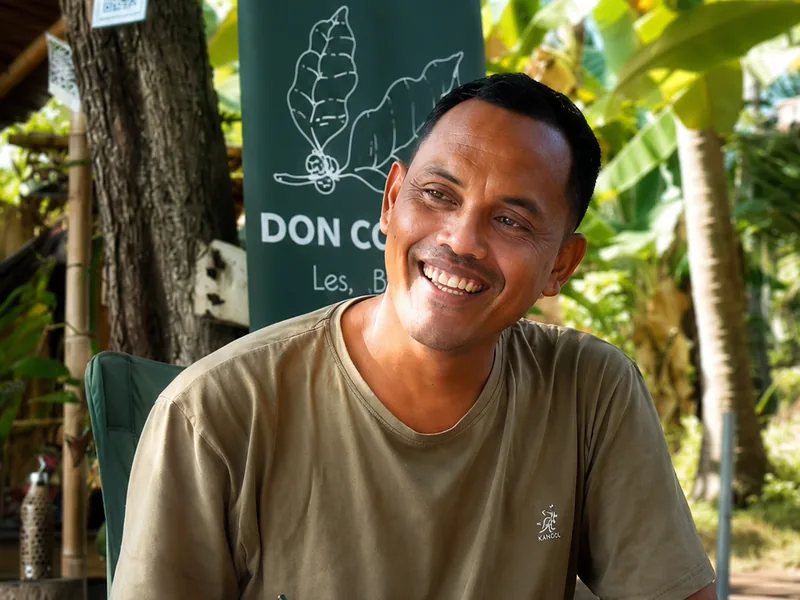
East of Singaraja, Tejakula centers on the fishing village of Les. Your host is a salt farmer who still works the beach the way his grandparents did. You make sea salt and lontar-palm arak with him, walk to a waterfall, snorkel off Les the next morning, and finish with lunch in a traditional wood-fired kitchen.

Each journey is priced and booked on its own page, and pickup for all three is from hotels in the south. If you’d like to link two of them into a longer trip along the coast, say so when you send your request. Either way, give Lovina more than its dolphins: the hills and the old capital deserve their share of the two days.