Cross the mountains in the middle of Bali and the island changes. The north coast is drier and calmer, the beaches are black sand, the sea is usually flat, and the towns have the unhurried feel of a place that was once the capital and then quietly stepped aside. Fewer visitors make the trip, mostly because of the drive, and that is exactly why a North Bali tour is worth it.
This guide compares the three coastal areas where we run journeys, Lovina, Pemuteran and Tejakula, and the highland stop that makes the drive part of the experience.
North Bali at a glance
North Bali means Buleleng, the island’s largest regency, stretching along almost the whole north coast. Singaraja, its main town, was the capital of Bali under Dutch rule and in the first years after independence, and its old streets still show it. From Ubud, Lovina takes around two and a half to three hours; Pemuteran in the north-west and Les in the north-east take a little longer. From the south coast, add another hour.
- Lovina for waterfalls, a gentle beach town and the history of Singaraja.
- Pemuteran for reef restoration, snorkeling and a quiet bay.
- Tejakula (Les village) for salt farmers, lontar palms and a reef right off the beach.
- Munduk, in the highlands on the way north, for coffee, cooking and waterfalls in the cool air.
Lovina: waterfalls, the sea and the old capital
Lovina is a strip of villages west of Singaraja, best known for its early-morning boats. The Lovina journey starts in the hills behind the coast with a nature trek past waterfalls and a local lunch. The second morning goes out on the water at dawn, then heads into Singaraja to visit Puri Singaraja, the royal palace, and learn the history of Bali’s former capital.
About the dolphins: the boats look for wild dolphins in open water, which is very different from captive attractions. Our Lovina guide explains how to set your expectations and what to ask of your boat so the dolphins are left in peace.

Pemuteran: the village that rebuilt its reef
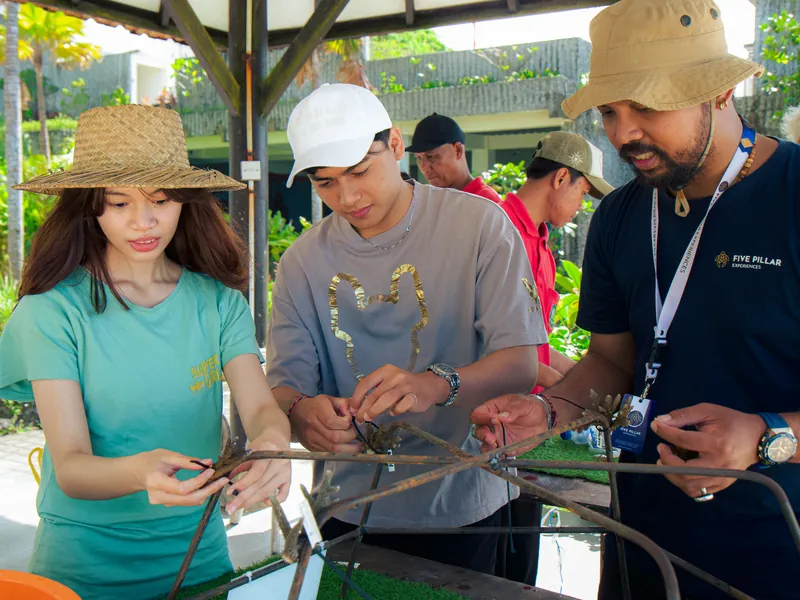
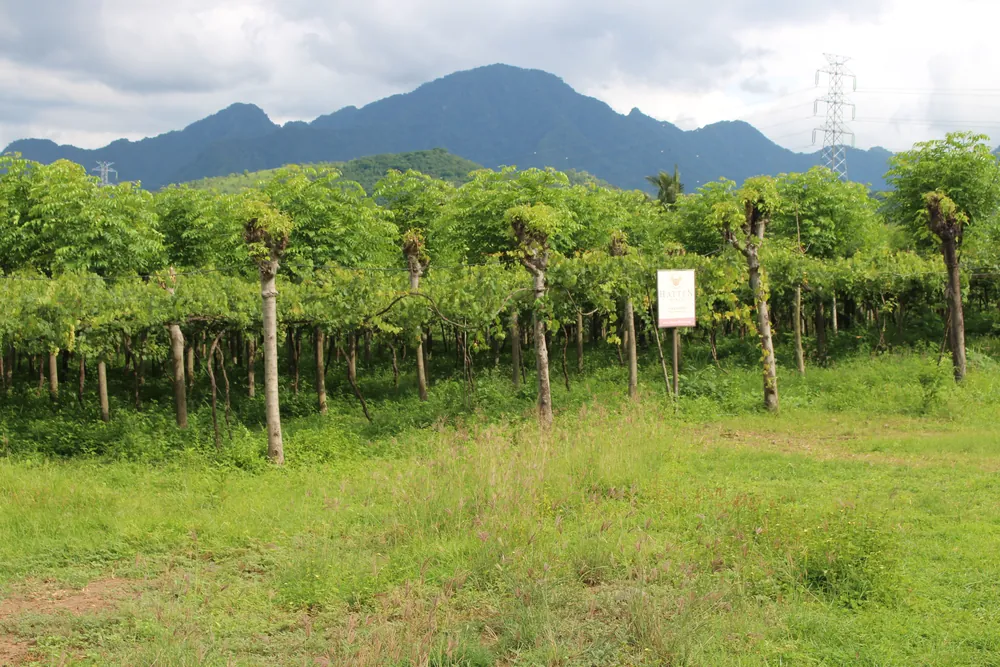
Pemuteran, in the far north-west near West Bali National Park, is a quiet bay with one of Bali’s best-known reef restoration projects. Steel frames placed on the seabed carry a low electric current, coral grows on them faster, and the reef that was damaged years ago is now full of life. The Pemuteran journey spends the first day on land, at Pura Melanting temple, a local vineyard and a traditional salt farm, then the second morning at sea: you learn how the Biorock restoration works, snorkel over it and visit the mangroves of Teluk before a beach lunch.
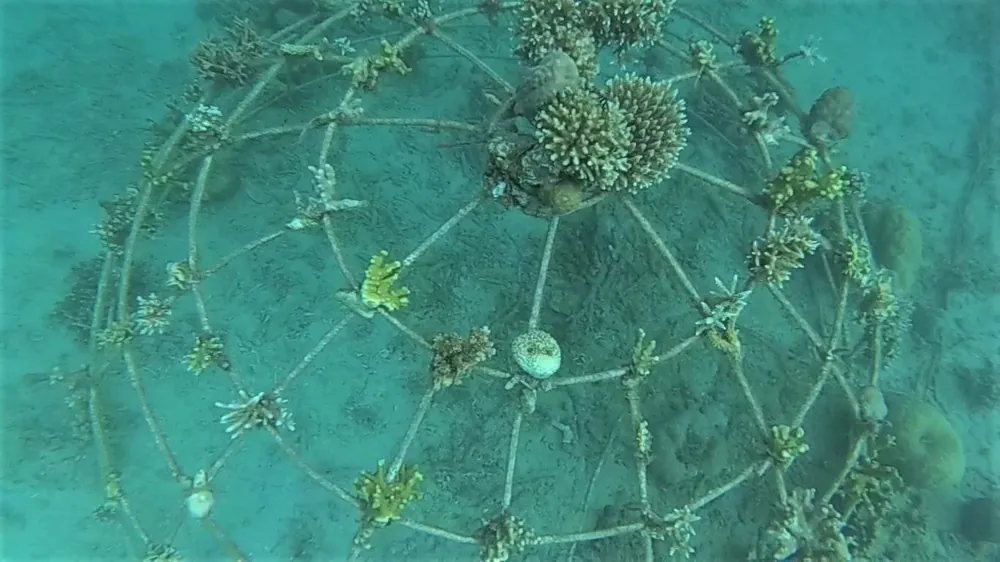
Our article on Ketut Danu’s coral restoration explains the technique, and if you want a longer session with him, the Coral Restoration Project is a Heroes Journey of its own.
Tejakula: salt, lontar and the reef at Les
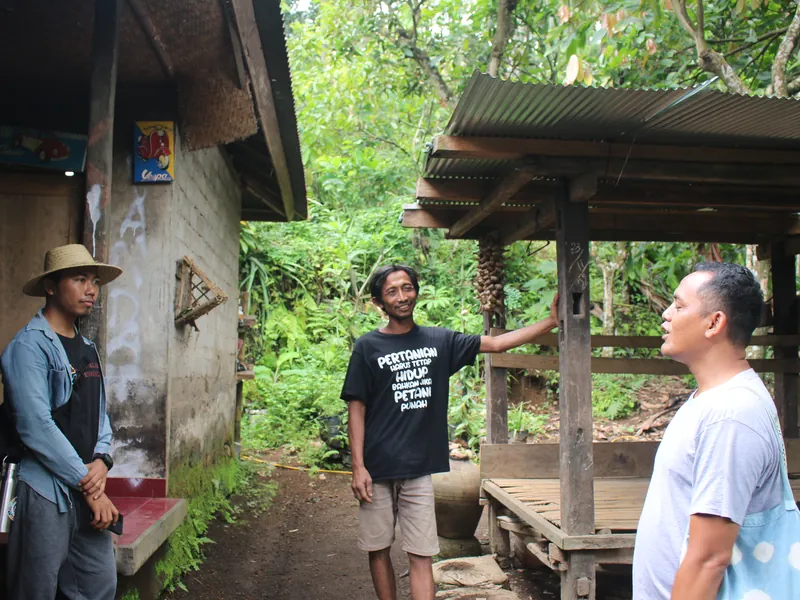
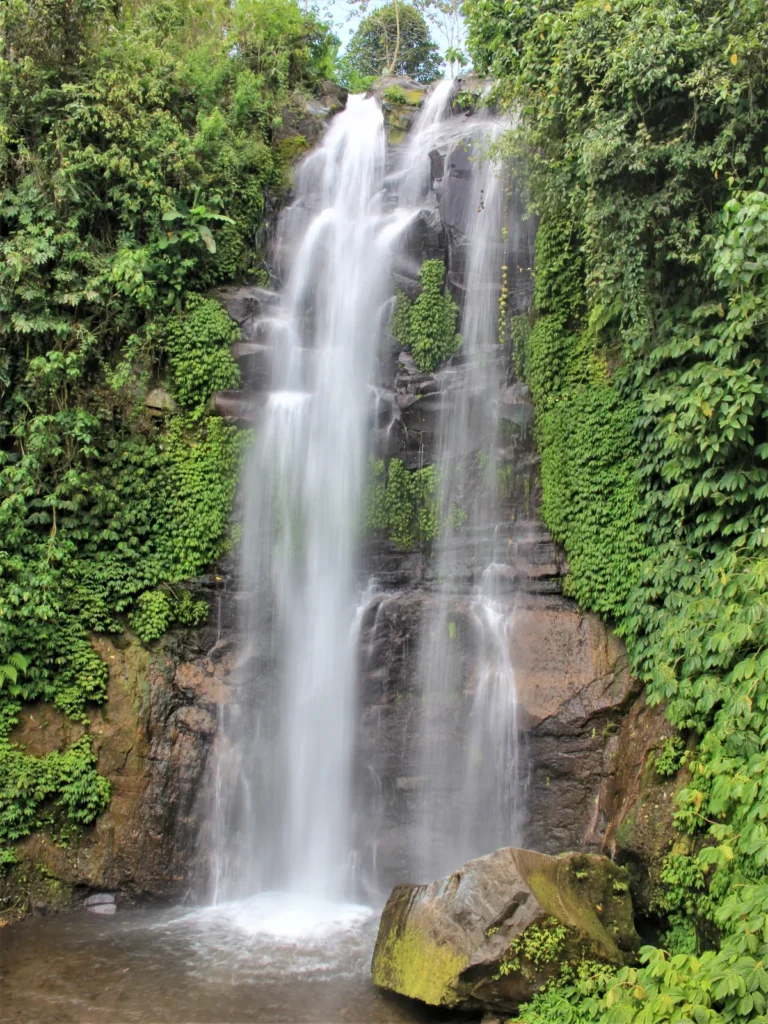
East of Singaraja, the coast gets wilder and the villages get smaller. Les, in Tejakula district, is a fishing village where families still make salt on the beach, tap lontar palms for sugar and arak, and fish the reef in front of the village. The Tejakula journey spends the first day with those traditions and a short walk to a waterfall. The next morning you snorkel the clear water off Les, then eat a long lunch in a traditional Balinese kitchen.
For a longer day with one of the village’s own changemakers, From Coast to Highlands is a Heroes Journey based in Les. And our article on Bali’s salt farmers compares the salt of Les, Amed and Pemuteran.
Make the drive part of the trip: the highlands
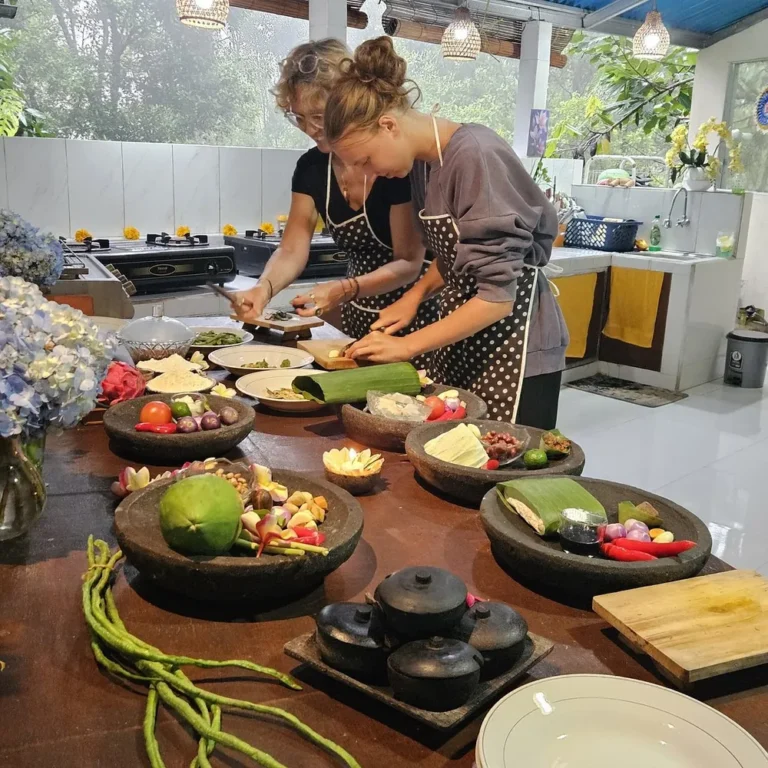
The road north climbs through Bedugul and past the twin lakes before dropping down to the coast. Instead of driving straight through, you can spend a night up there. The Munduk journey adds a cooking class, a coffee cupping and a waterfall trek in the clove hills, and the Bedugul journey is built around the farms of the highlands. Either one pairs naturally with Lovina for a three-night loop through the north. Our guide to things to do in Munduk covers the waterfalls, coffee and how long to stay.

How long should you spend in North Bali?
Two days is the minimum, and the overnight matters even more here than elsewhere. The drive north is long enough that a day trip leaves you a couple of hours on the coast, mostly in the middle of the day. With a night, you have the calm sea of the early morning, which is the best time to snorkel and the most beautiful light of the day. On all our north coast journeys, the hotel is an optional room you add when you book, and pickup is from your hotel in the south or in Ubud.
Questions people ask
Is North Bali worth visiting?
Yes, if you want calm water, local life and fewer crowds. It is not the place for beach clubs or nightlife, which is precisely its charm.
Which is better for snorkeling, Pemuteran or Amed?
Both are excellent. Pemuteran has the restoration story and very calm water; Amed on the east coast has more variety and the backdrop of Mount Agung. Our East Bali tour guide covers Amed in more detail.
When is the best time to go?
The dry season, roughly April to October, brings the calmest sea and the best visibility. The north coast also tends to stay drier than the south and the highlands in the wet months.