Ubud is Bali’s cultural heart, and almost every visitor comes with the same hope: to see the real thing, not a show put on for tourists. The good news is that the real thing is still there. The villages around Ubud are full of dancers, gamelan players, mask carvers, weavers and priests who are glad to share what they do, as long as you come to learn rather than just take photos.
The trick is to swap watching for doing. Here are the cultural things to do in Ubud that put you in the room with the people who keep the traditions alive, most of them within 15 to 40 minutes of the town center.
Learn a Balinese dance and play the gamelan
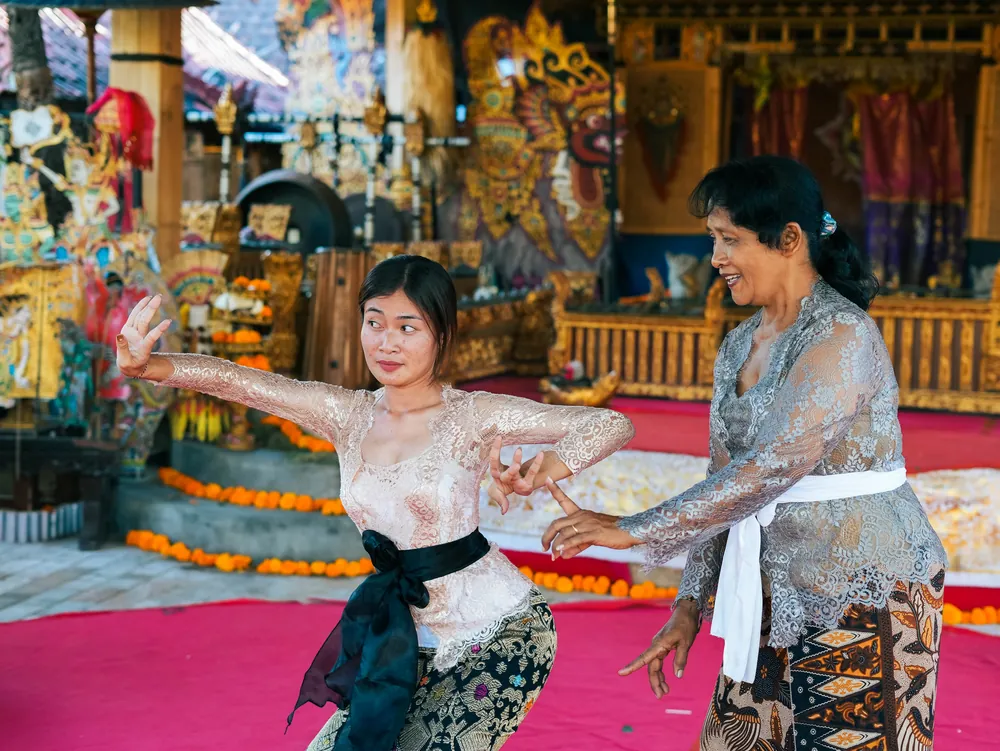
Balinese dance is everywhere in Ubud, from the palace stage to temple festivals. Learning a few movements yourself, the bent knees, the sharp eyes, the fingers that seem to move on their own, gives you a completely new respect for the dancers. The gamelan orchestra that accompanies them is just as surprising up close: dozens of bronze instruments, each player locking into a pattern that only makes sense together.
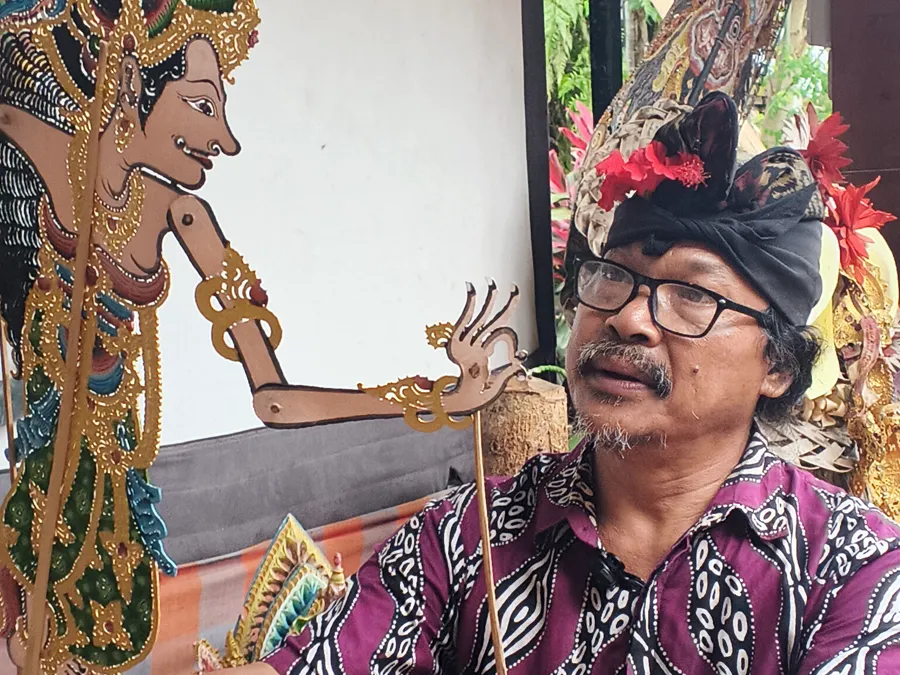
On the Heroes Journey A Private Experience with Balinese Art Masters, about 30 minutes from Ubud in Blahbatuh, Pak Jero Sudira and his fellow artists introduce the philosophy of wayang kulit shadow puppets, dance and gamelan. You make your own leather puppet, learn basic dance movements and the meaning behind each gesture, and play simple rhythms with the orchestra.

Carve a mask and meet a Topeng dancer in Mas
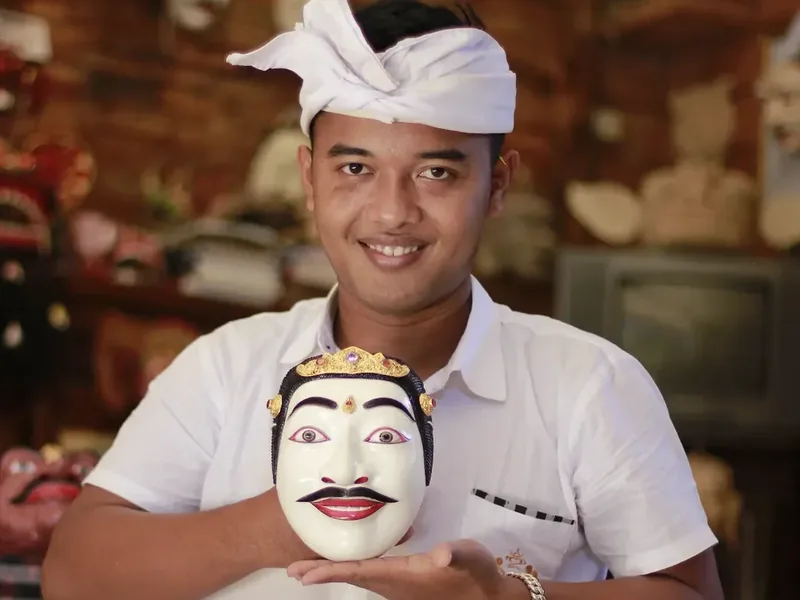
The village of Mas, just south of Ubud, is famous for wood carving, and above all for masks. Balinese masks are not decoration: they are used in Topeng dance-dramas and temple ceremonies, and each character has its own face, voice and way of moving.
Two experiences take you inside this world. On the Heroes Journey Where Masks Tell Stories of Heritage, Komang Mega shows his mini museum, performs several characters and then helps you carve and paint your own mask. The Curated Tour Sacred Faces, Sacred Stories starts at a mask and puppet museum, then takes you to a master mask maker and Topeng dancer in his studio.
Try batik, weaving or silver
Gianyar’s villages each have their craft. A few worth a morning:
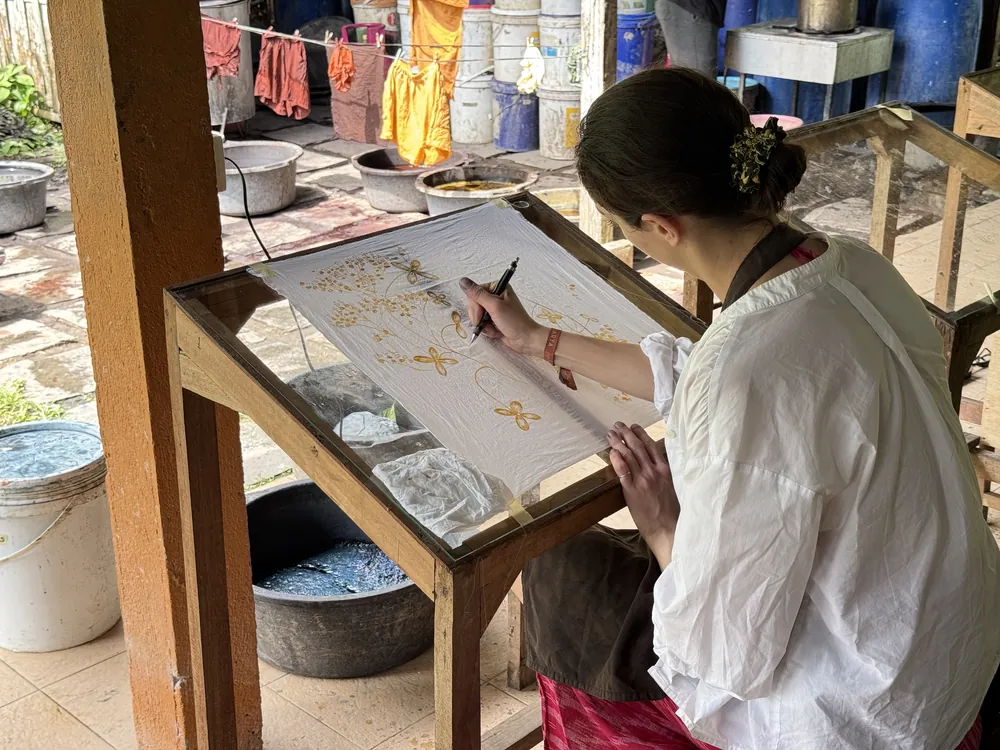
- Batik and weaving in Pejeng. Threads of Tradition introduces the rare cag-cag weaving technique, Pejeng’s natural indigo batik and what traditional fabrics say about ceremony and identity. You try the wax and dye yourself.
- Silver in Sukawati. On Crafting Tradition in Silver, local silversmiths teach you to sketch, shape and finish a piece of jewelry you take home.
- Painting in Mas. Mindful Art Therapy Experience pairs a gallery walk and a look at traditional house design with a quiet, unjudged painting session.
Before you buy crafts in town, read our guide to ethical shopping in Ubud. It explains how to tell work made by local artisans from mass-produced imports.
Walk through a royal palace and a living village
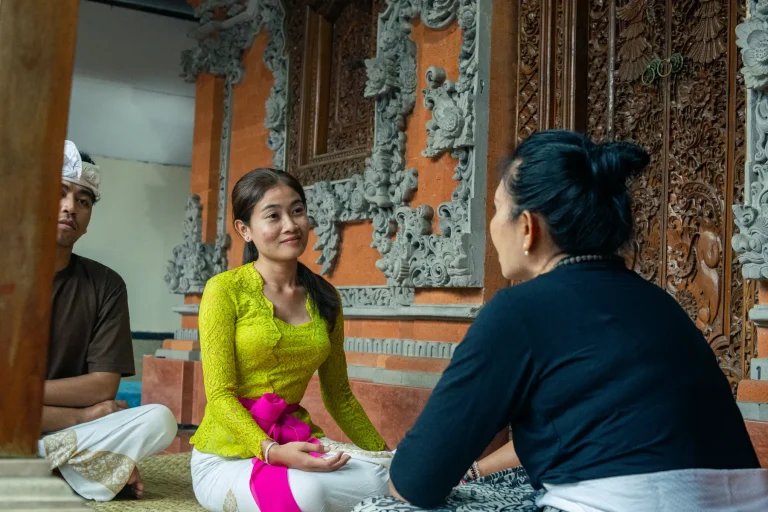
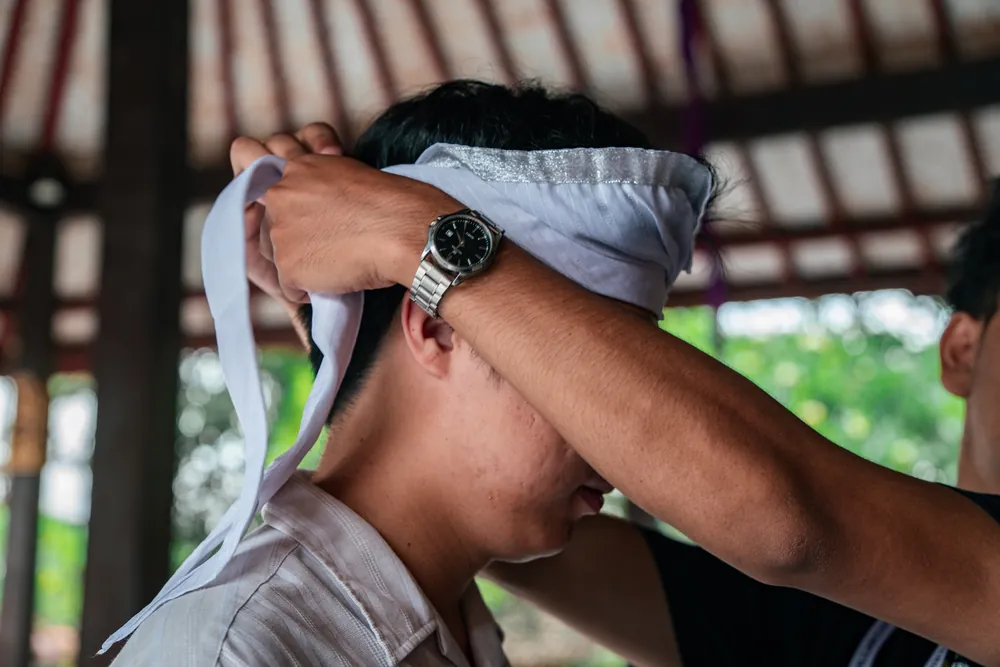
Ubud’s royal families still live in their palaces, and they still play a role in village life and ceremonies. On the Royal Palace Heritage Walk in Peliatan, five minutes from Ubud, you dress in traditional clothes, learn palace etiquette and hear the stories of Bali’s kingdoms, its rulers and the guardian statues at the gates.
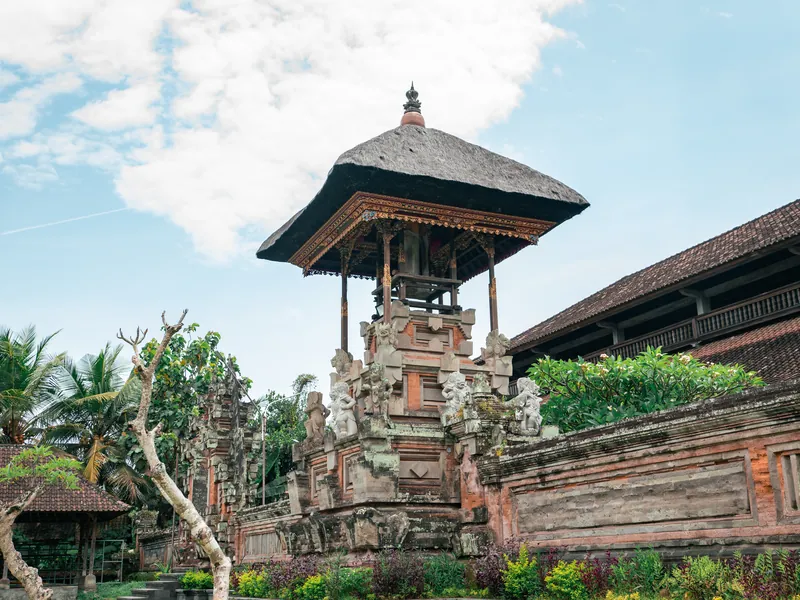
In Bedulu, an old royal village 15 minutes from Ubud, the Living Heritage Village Walking Tour visits shrines, family compounds and the banjar, the community council that organizes everything from ceremonies to cremations. The Bali Architecture Walk explains why every temple, gate and house follows the same sacred layout.
Make offerings and join a blessing
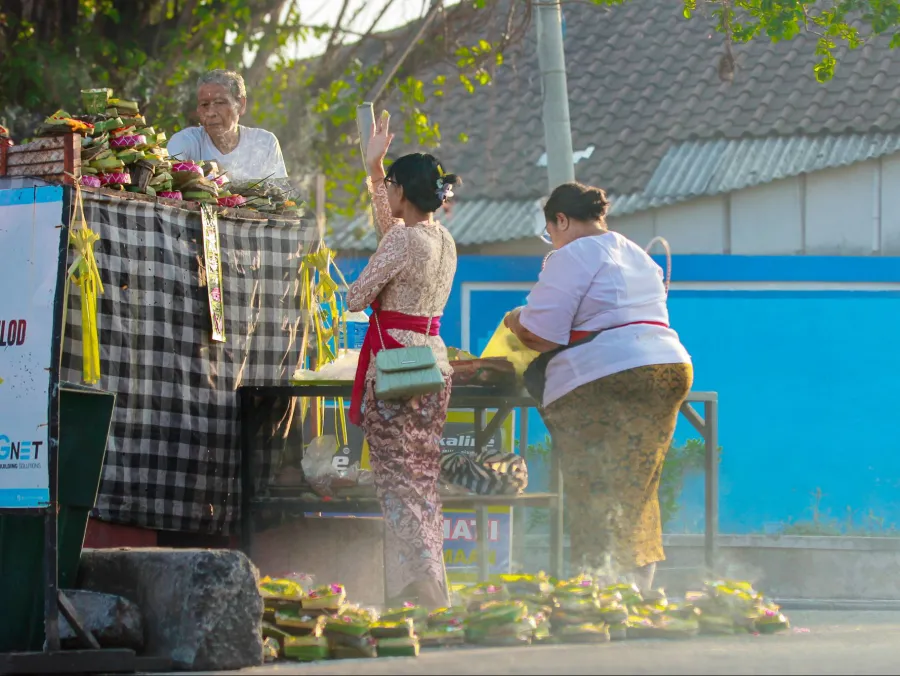
Spiritual life in Bali happens daily, at home and in the village temple. With a host family you can learn to make canang sari and the taller gebogan offerings, dress for a family temple prayer and share the offerings afterwards, on Offerings of Bali: Create, Pray, Share. For a melukat water purification guided by a priest, Water Blessing at Ancestral Ruins combines the ritual with ancient temple ruins. Our melukat guide explains what to wear and what to expect.
Eat like a Balinese family
Food is culture too. A Village Gastronomic Journey in Bedulu starts with 15 to 20 traditional spices, then local mothers show you how to make base gede, Bali’s signature spice paste, before a village walk tasting snacks. With Farm-to-Table with a Village Leader in Pejeng, Pak Kadek Kamardiana takes you from his organic farm to the kitchen. For an afternoon of herbal blends in a garden, see Artisan Tea Ceremony with Ibu Made.
How to plan your Ubud cultural tour
Most of these experiences last two to four hours, so you can do one in the morning and keep the afternoon free, or combine two in a day. Our Curated Tours are short, themed experiences around Ubud and the south. Heroes Journeys are built around one local hero and the community project they lead, so part of what you pay goes straight back into that work. Both are private and arranged for your group.
If you would rather have two full days planned for you, our Ubud 2 Days 1 Night journey starts with a welcome at Puri Peliatan in Balinese attire, the Sacred Monkey Forest and a dance performance at dusk, then continues with a curated town walk and an art museum on day two.
For a quieter version with a traditional healer, a farm-to-table lunch and village life in Bedulu, see the Pejeng journey. And if you are new to Balinese customs, start with our guide to Balinese cultural immersion.
Questions people ask
What is the best cultural experience in Ubud?
It depends on what you enjoy. Music and movement lovers usually rate a private dance and gamelan session highest. Craft lovers enjoy mask carving in Mas or batik in Pejeng. For first-timers, a palace walk or a morning with a Balinese family making offerings is the best introduction.
Can I take a Balinese dance class in Ubud as a beginner?
Yes. No experience is needed. Teachers start with basic posture, hand and eye movements and explain what each gesture means. It is more about understanding the dance than performing it.
How long are these experiences?
Most Curated Tours take two to three hours, and most Heroes Journeys three to four. Transport to the experience is not included, so let us know when you send your inquiry if you need help getting there.
What should I wear?
Light clothes that cover shoulders and knees. For temple and palace visits you will wear a sarong and sash, which your hosts provide, and sometimes full traditional attire as part of the experience.